In her later years, Mary Challis was unable to maintain the Garden and it became very overgrown, with many saplings and thick undergrowth. It took three years to clear, remove unwanted trees, plan new herbaceous beds and demarcate paths. The Garden was formally opened on 17 May 2009 by Christopher South. It is maintained entirely by a team of volunteers during regular opening times on Tuesday, Thursday and Saturday mornings throughout the year.
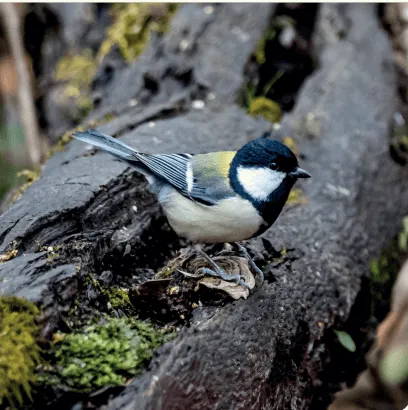
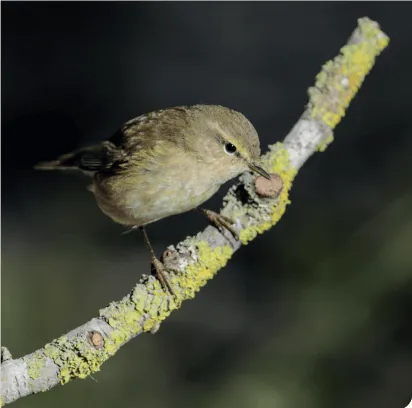
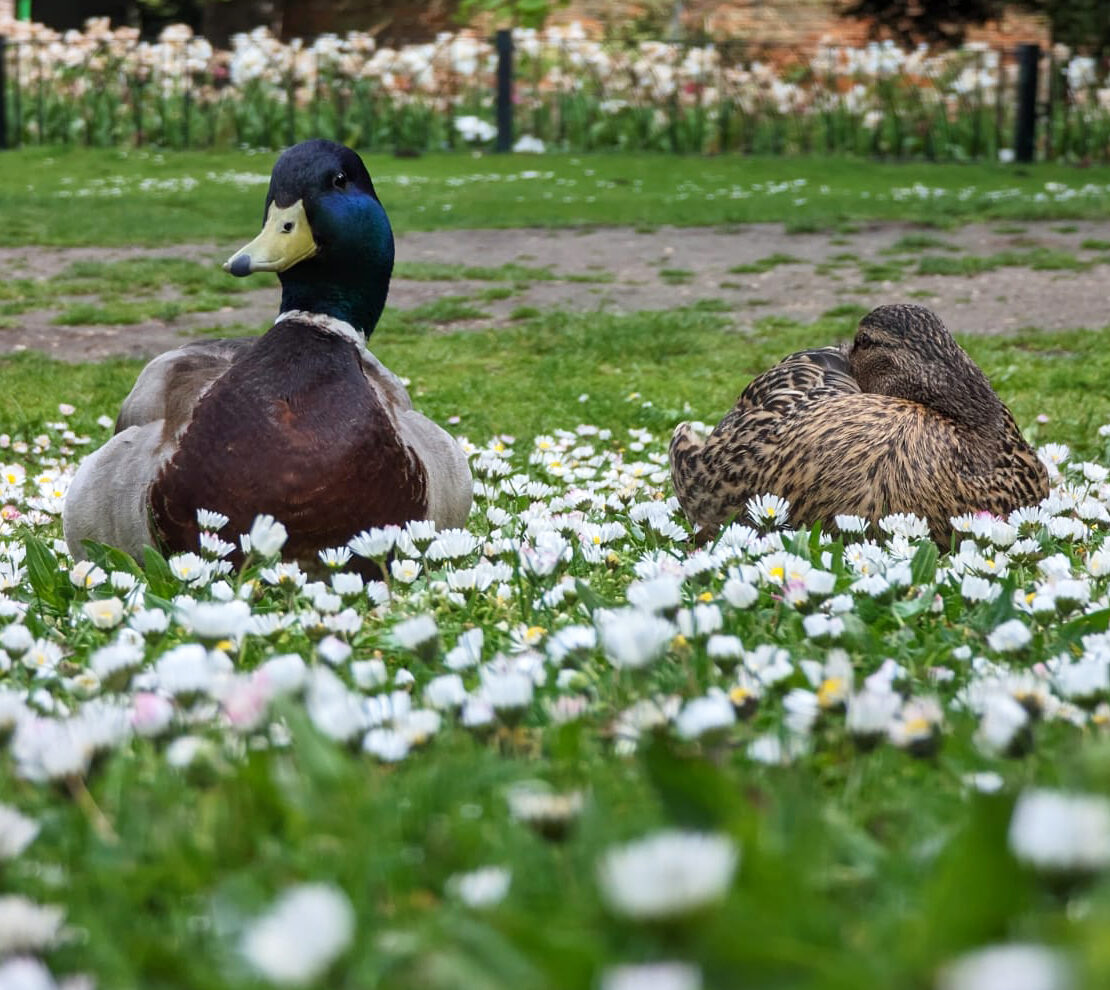
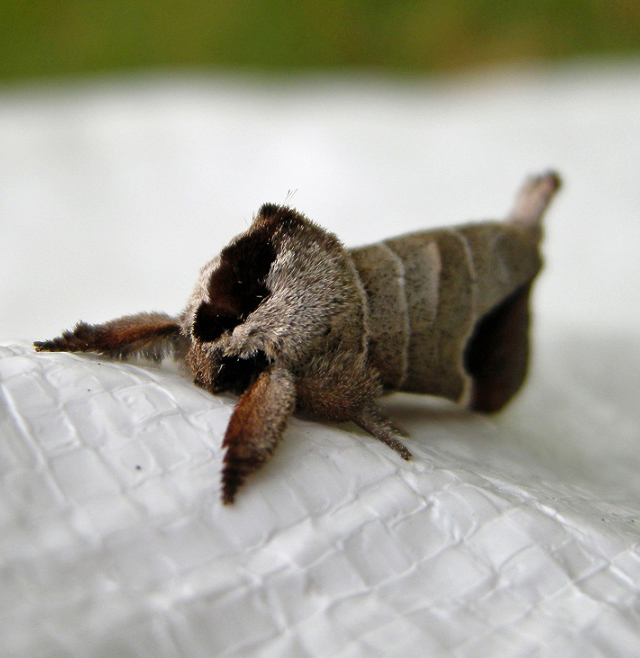
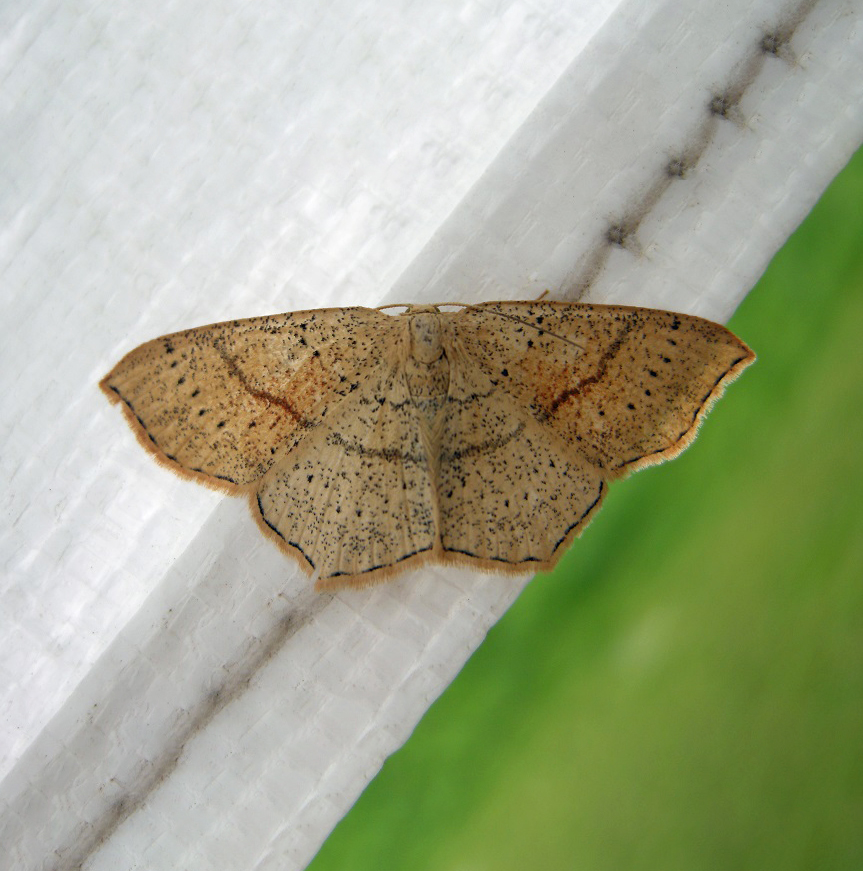
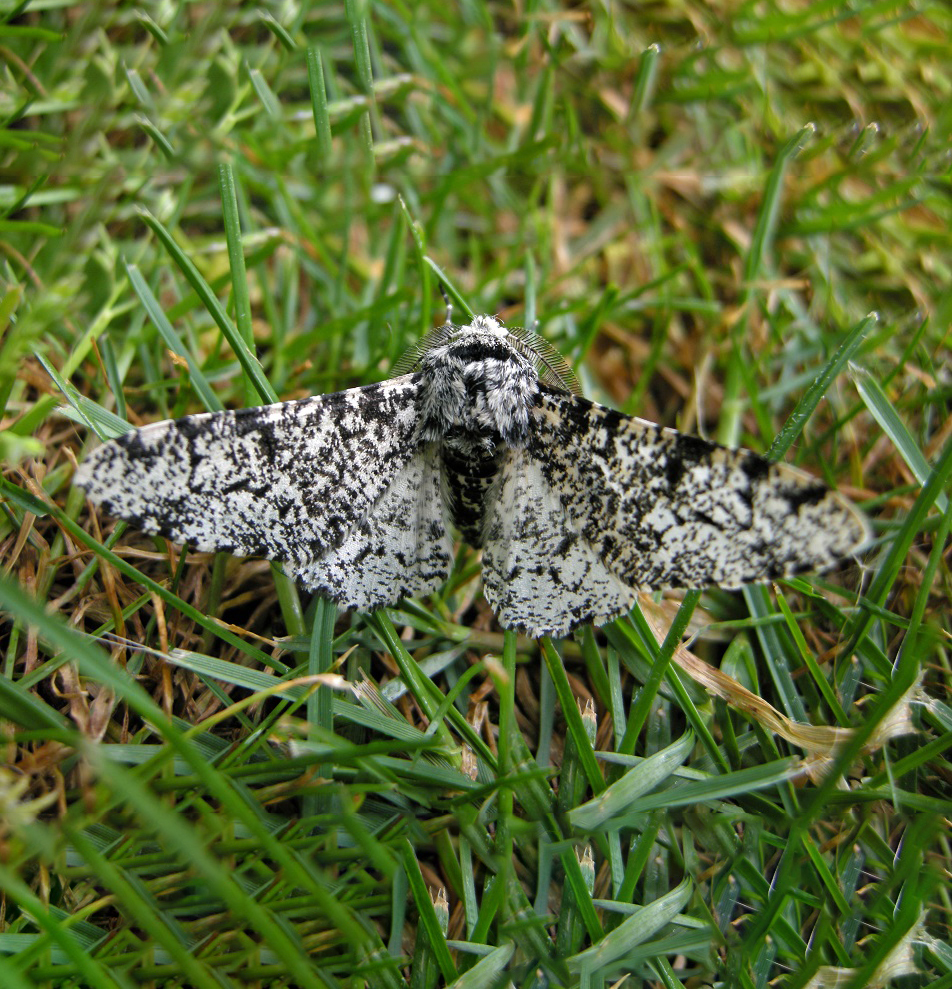
Mary Challis wanted the Garden to be a place for people and wildlife. Parts have been left as it was in Mary’s time, to encourage a diverse flora and fauna. There is a good variety of birds, butterflies and other pollinating insects, plus resident squirrels, hedgehogs, rodents, frogs, newts and toads. Goldcrests, treecreepers and mistle thrushes nest in the Garden most years.
Often described as a “secret garden”, it occupies two acres in the centre of the village. It is a peaceful haven in which to relax and enjoy the pleasant surroundings. Visitors are very welcome to bring their own drinks and snacks. Children are especially welcome; there’s lots to explore and hide in, and garden toys to play with.
Long herbaceous perennial beds leading from the House offer very colourful displays almost year-round. Salvias, penstemons, dahlias, sedums, geraniums and asters provide much of the colour, supplemented with bedding plants and a variety of evergreen and flowering shrubs that attract a wide range of pollinating insects.
Much of the area is maintained as a utility lawn, with one section managed as a summer wildflower meadow from April to September, dominated by knapweed, scabious, dog daisy, bedstraws and yellow rattle. Mowing is discontinued in other parts to allow native flora and fauna to thrive.
Groups of colourful dogwoods repeated through the long winter/spring border, interspersed with hellebores, Christmas box, shrub honeysuckles and Mahonia give early colour and
wonderful fragrances. Underplanted spring bulbs, comfrey and Pulmonaria provide early food for our honeybees and other pollinators. From February to April, there are extensive drifts of snowdrops, aconites, crocuses and daffodils where these have naturalised.
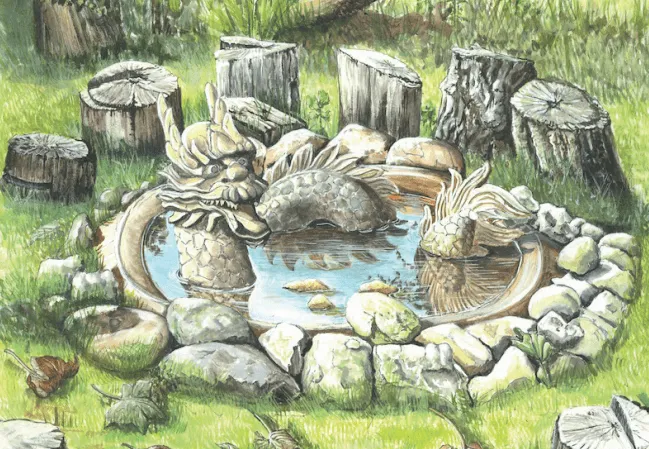
The vinehouse, raised vegetable beds, orchard, former chicken sheds, pond and beehives recall earlier times as a small market garden, providing fruit, vegetables, eggs and honey for local consumption. This is an important element of the original Garden that continues today. Plants, seasonal produce, honey, apple juice, logs and gifts are available for a donation.
The large apple tree close to the main entrance has been identified as a unique cultivar and accepted as the ‘Mary Challis’ apple on the Register of Local Cultivars. It is a cross between Dr. Harvey (a very early English cooking apple) and Cox’s Orange Pippin; the large fruit keep well and make excellent puree. Grafted trees on dwarfing or semi-vigorous rootstocks are available.
There are many mature native and ornamental trees to enjoy in the Garden, including good specimens of yew, gingko, golden rain tree, false acacia, Kentucky yellowwood and Persian ironwood. Excessive shade in parts has been removed or thinned out to allow under-storey plants and ground cover to establish.
The garden changes with the seasons – there is always lots to see and enjoy at any time of the year.

If you see any others in the garden, please add to the list of Birds, Moths, Butterflies, Bees, Vertebrates, Mammals, Lichens, Plants, Plants (common name), Pondlife, Other invertebrates, Amphibians, Reptiles, Macromoths, Micromoths.
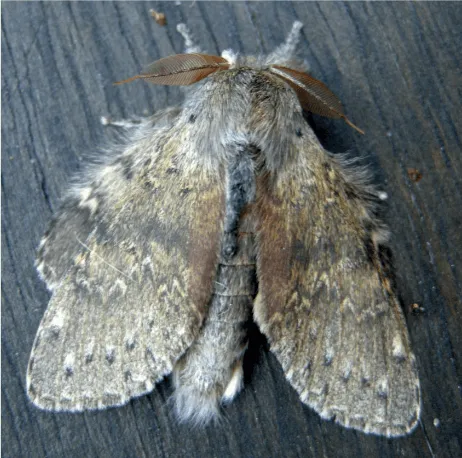
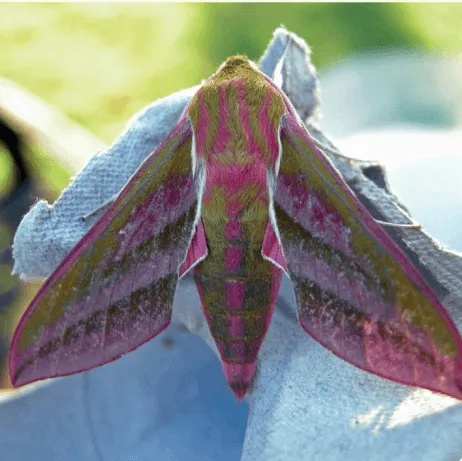
If you see any others in the garden, please add to the list.